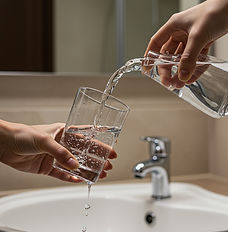
Drinking Water Safety in Turkey: Is it Safe to drink Tap Water?
Your Essential Guide to Drinking Water Safety in Turkey
Drinking water safety in Turkey: Summary for Quick Reference
-
Tap water in Turkey is generally safe to drink in major cities like Istanbul and Ankara, meeting national and international standards.
-
Water quality in coastal and rural areas can vary; bottled water is often preferred due to taste or local infrastructure.
-
Turkey has made significant investments in water treatment infrastructure.
-
Bottled water is widely available and affordable across the country.
-
Staying hydrated is crucial, especially in Turkey's warm climate.
Tap Water, Bottled Water and Hydration in Turkey
Turkey, a country rich in history, vibrant culture, and stunning landscapes spanning two continents, attracts millions of international visitors each year. As you plan your Turkish adventure, understanding the safety and nuances of its drinking water is a key part of staying healthy and enjoying your trip to the fullest. While bottled water is readily available, knowing when and where tap water is safe can enhance your experience and even be more eco-friendly.
Drinking Water in Turkey: Your Essential FAQ
1. Is tap water safe to drink in Istanbul?
Yes, tap water in Istanbul is generally considered safe to drink and meets national quality standards. However, many locals and tourists prefer bottled water due to taste.
2. Should I use bottled water for brushing my teeth in Turkey?
If the tap water is safe to drink, it's also safe for brushing your teeth. If you're in an area where tap water is not recommended for drinking (e.g., some rural areas), it's safer to use bottled water for brushing.
3. How much does bottled water cost in Turkey?
Bottled water is very affordable in Turkey. A 1.5-liter bottle typically costs between ₺5-₺15 TRY (approximately $0.15-$0.50 USD) at supermarkets and kiosks.
4. Are public drinking fountains safe in Turkey?
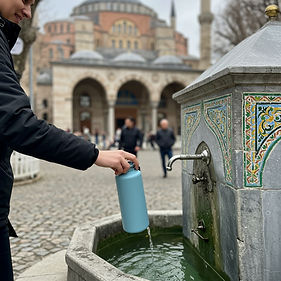
Many public fountains (çeşme) provide water, but it's crucial to only drink from those explicitly marked as "İçilebilir Su" (drinkable water) or with a clear potable water symbol. When in doubt, avoid.
5. What are the common health issues from unsafe water in Turkey?
The most common health issue from contaminated water is traveler's diarrhea, which can cause stomach cramps, nausea, and dehydration. More serious waterborne illnesses are rare but possible.
6. Should I bring a water filter bottle to Turkey?
A water filter bottle can be useful, especially if you plan to travel to remote areas, hike, or prefer an extra layer of protection. It allows you to filter water from various sources, reducing plastic waste.
7. How does Turkey's water quality compare to other countries?
Turkey has made significant strides in water treatment, and its tap water in major cities is comparable to many European standards. However, it's generally not as universally trusted for taste as in some Western European nations.
8. What should I do if I accidentally drink tap water in an unsafe area?
Don't panic. For most healthy individuals, a small amount is unlikely to cause severe illness. Monitor yourself for symptoms like stomach upset or diarrhea, stay well-hydrated with safe water, and seek medical attention if symptoms persist or worsen.
9. Are there water refill stations available in Turkey?
Yes, especially in larger cities and some tourist areas, you can find water refill stations or large dispensers in shops where you can refill your reusable bottle for a small fee.
10. What's the environmental impact of buying bottled water in Turkey?
Turkey is a significant consumer of bottled water, contributing to plastic waste. Using a reusable bottle and refilling it from safe tap sources or water stations helps reduce this environmental impact.
1. The Bottom Line: Turkey's Water Quality
Turkey has made significant investments in its water treatment infrastructure, particularly in major urban centers. Tap water in large cities like Istanbul, Ankara, and Izmir is generally considered safe to drink and meets national and international quality standards. This means the water flowing from your hotel faucet and in most established restaurants is typically potable.
However, it's important to note that while the water is treated to be safe, local perceptions and preferences often lead both locals and tourists to opt for bottled water, especially for taste reasons or due to concerns about older plumbing in some areas.
2. Understanding Regional Variations and Taste
The taste and sometimes the potability of water in Turkey can vary significantly by region:
-
Major Cities (Istanbul, Ankara, Izmir):
-
Source: Primarily from large reservoirs and advanced treatment plants.
-
Quality: Consistently safe and rigorously tested.
-
Taste Profile: Generally good, though some may notice a slight chlorine taste, which is used for disinfection.
-
Traveler Tip: Feel confident drinking tap water here. It's often consumed by locals, and readily served in restaurants.
-
-
Coastal Areas (e.g., Antalya, Bodrum, Marmaris) and Smaller Towns:
-
Source: Can vary, including local wells, smaller reservoirs, and sometimes even desalination plants in drier areas.
-
Quality: While generally safe in most well-developed tourist resorts, consistency can be less reliable than in major cities.
-
Taste Profile: May have a more pronounced mineral taste or a higher chlorine content, which can be off-putting to some.
-
Traveler Tip: Many tourists and some locals in these areas prefer bottled water due to taste or perceived quality variations. Always ask your accommodation or local residents for their advice.
-
-
Rural and Remote Areas:
-
Source: Often from local wells or untreated springs.
-
Quality: Can be highly variable and less consistently monitored.
-
Traveler Tip: When in doubt in rural or remote areas, it's safest to stick to bottled water or use purification methods.
-
-
3. Navigating Drinking Water Sources: A Practical Guide for Travelers
Staying hydrated is key to enjoying your Turkish adventure. Here's how to confidently choose your water sources:
-
Tap Water in Your Accommodation & Restaurants:
-
Generally Your Safest Bet (in major cities and modern hotels): Tap water is typically safe.
-
Taste Variations are Normal: Don't be alarmed by slight taste differences; it's usually due to harmless mineral content or chlorination.
-
When in Doubt, Just Ask: A simple "Musluk suyu içilebilir mi?" (Is the tap water drinkable?) to your server or hotel staff will provide reassurance.
-
-
Public Fountains (Çeşme):
-
Proceed with Caution: While many historical fountains are beautiful, their water is not always potable. Only drink from public sources explicitly marked as "İçilebilir Su" (drinkable water) or with a clear drinking water symbol.
-
-
Natural Springs & Untreated Sources: Proceed with Extreme Caution:
-
High Risk of Contamination: Unless explicitly marked as safe by local authorities with visible testing information, avoid drinking directly from natural springs, rivers, or lakes. They can harbor harmful bacteria and parasites.
-
Boil or Purify if Necessary: In emergency situations during outdoor activities, boil untreated water vigorously for at least one minute (longer at higher altitudes) or use a reliable portable water filter or purification tablets.
-
-
Bottled Water: Convenience and Choice
-
Ubiquitous Availability: Bottled water ("su") is sold everywhere, from supermarkets to small kiosks. It's very affordable, typically ranging from ₺5-₺15 TRY for a 1.5-liter bottle (approx. $0.15-$0.50 USD).
-
Check the Seal: Always ensure the bottle's seal is intact before purchasing to avoid refilled bottles.
-
Consider the Planet: Opt for refilling a reusable bottle from safe tap water sources (where confirmed) or well-maintained public water dispensers whenever possible to reduce plastic waste.
-
4. Smart Hydration Tips for Your Turkish Trip
-
Carry a Reusable Water Bottle: This allows you to easily refill throughout the day from safe sources.
-
Stay Hydrated, Especially in Summer: Turkey can get very hot, so drink water regularly, especially during outdoor activities and intense sightseeing.
-
Observe Locals: While many locals drink tap water, a significant portion also prefers bottled water or water from dispensers. This can be a good indicator of local preferences.
-
Be Prepared for Emergencies: Always have a backup plan for water, especially if traveling to rural or less developed areas.
Key Sources of Information:
-
Turkish Ministry of Health: Provides official data and regulations on drinking water quality.
-
World Health Organization (WHO): Offers global guidelines for drinking water quality and safety.
-
Local Municipal Water Authorities (e.g., İSKİ for Istanbul): Provide specific information on local water supply and quality.
-
Travel blogs and forums: Offers insights from real-world traveler experiences.
-
Selina Wamucii: Provides market prices for bottled water in Turkey.