Jellyfish in France: A Traveler's Guide to Safety (2025)
Key Species, Regional Risks, and Safety Tips
Jellyfish in France 2025 Key Facts
-
Jellyfish sightings in France are common during late spring and summer, peaking in August and September.
-
The most significant species in the Mediterranean is the Mauve Stinger (Pelagia noctiluca), while the Barrel Jellyfish (Rhizostoma pulmo) and Compass Jellyfish (Chrysaora hysoscella) are found in both the Atlantic and Mediterranean.
-
Jellyfish blooms can occur in the Côte d'Azur and along the Atlantic coast.
-
First aid for a sting involves rinsing with seawater or vinegar and avoiding fresh water.
-
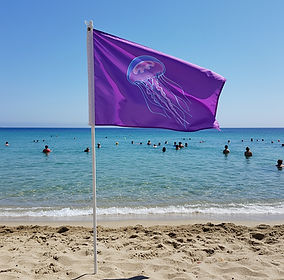
Jellyfish blooms are a recurring event, often indicated by a purple beach flag or local warnings.

Key Species of Jellyfisgh in France, Regional Risks, and Safety Tips
France's diverse coastline, from the glamorous beaches of the French Riviera to the wild, windswept shores of the Atlantic, offers a stunning variety of maritime experiences. However, the warm waters of the Mediterranean and Atlantic are also home to various jellyfish species. Staying informed about these marine creatures is essential for a safe and comfortable beach experience.
Jellyfish populations in French waters are seasonal, typically appearing in larger numbers during the warmer months. These blooms are a natural phenomenon influenced by a combination of sea currents and temperatures, and knowing which species are common can help you prepare for a potential encounter.
Current Status: August 2025
As of August 2025, there are reports of jellyfish blooms in several popular coastal regions. The Mauve Stinger (Pelagia noctiluca) has been sighted in higher-than-average numbers in the waters around the Côte d'Azur (including the areas near Nice, Cannes, and Saint-Tropez), due to a combination of currents and warm temperatures.
On the Atlantic side, coastal areas like the Basque Coast and beaches in Brittany and Normandy have also reported an increase in jellyfish activity. Local municipalities are using a purple flag on beaches to warn swimmers of a jellyfish presence. It's always best to check for these flags or consult with a lifeguard before swimming.
Common Jellyfish Species in France
1. The Mauve Stinger (Pelagia noctiluca)
This small, bioluminescent jellyfish is a common and unwelcome sight in Spain due to its painful sting. It is often found in swarms and is a primary concern for beachgoers.
-
Sting Severity: Painful, causing a sharp, burning sensation, redness, and inflammation.
-
Appearance: A small, bell-shaped body (up to 10 cm) with a purple or pink hue, eight tentacles, and four oral arms.
-
Season: Most active from late spring to autumn.
2. The Barrel Jellyfish (Rhizostoma pulmo)
A large and non-threatening species, the Barrel Jellyfish is a common sight in Spanish waters. Its impressive size often causes alarm, but its sting is extremely mild.
-
Sting Severity: Very mild to harmless.
-
Appearance: A large, firm, dome-shaped bell (up to 60 cm) with no tentacles.
-
Season: Most common in early summer.
3. The Compass Jellyfish (Chrysaora hysoscella)
Known for the V-shaped brown markings on its bell, which resemble a compass rose, this jellyfish delivers a moderately painful sting.
-
Sting Severity: Moderate. Can cause a burning sensation and a rash.
-
Appearance: A translucent bell with 16 brown, radial stripes and long tentacles.
-
Season: Late spring to summer.
Prevention and What to Do If You Get Stung
The best way to deal with jellyfish is to avoid them entirely.
Prevention Tips:
-
Check Local Warnings: Always look for warning signs or flags on beaches. Many organized beaches will have a flag system to alert swimmers to the presence of jellyfish.
-
Ask Locals: Lifeguards, hotel staff, and restaurant owners are excellent sources of information. Ask them about recent sightings before you enter the water.
-
Wear Protection: In areas known for jellyfish, consider wearing a rash guard, wetsuit, or a full-body swimsuit. This provides a simple but effective physical barrier.
-
Avoid Certain Times: Jellyfish often follow the sun and may be more visible in calm, shallow waters. Be especially cautious after a period of prolonged calm weather, as swarms can gather near the shore.
First Aid for a Sting:
If you are stung, stay calm and follow these steps:
-
Get Out of the Water: Exit the water immediately to prevent further stings.
-
Rinse the Area: Rinse the affected area with seawater. Do not use fresh water, as it can cause the remaining nematocysts to fire.
-
Apply a Neutralizer: If available, rinse the area with vinegar for at least 30 seconds. This is the most effective way to deactivate the stinging cells of most Mediterranean species, including the Mauve Stinger.
-
Remove Tentacles: Carefully and gently remove any remaining tentacles or stingers with tweezers. Do not use your bare hands.
-
Apply Heat: After rinsing and removing the tentacles, immerse the stung area in hot water (as hot as you can stand without burning) for 20-45 minutes. This helps to break down the venom and reduce pain. A hot pack or towel can also work.
-
Pain Relief: Over-the-counter pain relievers or antihistamines can help with pain and itching.
-
Seek Medical Help: If you experience severe symptoms like difficulty breathing, chest pain, swelling of the face or mouth, or if the pain is unbearable, seek immediate medical attention.

To learn more about Jellyfish in Mediterranean countries: