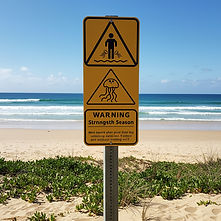
A Traveler's Guide to Jellyfish in Australia
Key Jellyfish Species in Australia, Regional Risks , and Updated Safety Tips for 2025
Jellyfish in Australia Quick Facts
-
Australia's tropical waters are home to some of the world's most venomous jellyfish, including the Box Jellyfish and the Irukandji Jellyfish.
-
The high-risk "stinger season" typically runs from October to May in Northern Australia.
-
Stings from these species can be fatal and are considered medical emergencies.
-
First aid for stings is to immediately and liberally rinse the area with vinegar for at least 30 seconds.
-
Prevention is key: always swim in patrolled areas, wear stinger suits, and obey all warning signs.
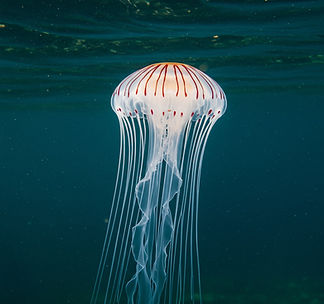
The Deadly Stinger Season in Australia: Species, Prevention, and First Aid
Australia is world-famous for its stunning coastlines and unique marine ecosystems. For travelers, the allure of the Great Barrier Reef and the tropical beaches of Northern Queensland is undeniable. However, these warm waters are also home to jellyfish species that are among the most venomous in the world. Knowing the risks, understanding the seasonal patterns, and being prepared with the correct first aid is not just a precaution—it is a matter of life and death.
Current Status: August 2025
As of August 2025, Australia is in its high-risk "stinger season," which typically runs from October to May in the tropical northern regions. This is the period when dangerous jellyfish species are most prevalent in coastal waters.
-
High-Risk Zones: The most significant risk is along the coast of Northern Queensland, particularly in areas like Cairns, Port Douglas, and the Whitsundays. This includes beaches and near-shore waters in the Great Barrier Reef Marine Park.
-
Regional Warnings: Lifeguards on patrolled beaches in these areas are consistently raising warning flags. Many popular locations have installed stinger nets to create safe swimming enclosures.
Travelers should exercise extreme caution and always heed local advice, as the presence of jellyfish can change rapidly with tides and weather conditions.
Jellyfish in Australia: Essential FAQ
1. What is "stinger season" in Australia?
Stinger season is the high-risk period, from roughly October to May, when dangerous jellyfish like the Box Jellyfish and Irukandji are most prevalent in the tropical waters of Northern Australia. It's crucial to be cautious during these months.
2. Can a jellyfish sting be fatal?
Yes. Stings from the Box Jellyfish (Chironex fleckeri) can be fatal within minutes, and the tiny Irukandji Jellyfish can cause a delayed, life-threatening condition called Irukandji syndrome. All stings from these species should be treated as a medical emergency.
3. What is the difference between a Box Jellyfish and an Irukandji sting?
A Box Jellyfish sting causes immediate, intense pain and leaves visible welts on the skin, with potential for rapid cardiac arrest. An Irukandji sting may be initially mild, but the symptoms can be delayed for up to 30 minutes before a life-threatening syndrome develops, characterized by severe pain, muscle cramps, and high blood pressure.
4. What should I do immediately after a sting?
The first and most important step is to get the person out of the water and immediately and liberally rinse the sting with household vinegar for at least 30 seconds to deactivate any remaining stinging cells. Call for emergency help (000 in Australia) for any suspected Box Jellyfish or Irukandji sting.
5. Can I use fresh water or pee on the sting?
No. Never use fresh water, cold packs, or urine on a Box Jellyfish sting. Doing so can cause the remaining stinging cells on the skin to fire more venom, making the sting worse.
6. Are the nets on Australian beaches safe?
Yes. Stinger nets are a very effective safety measure on patrolled beaches, as they are designed to create a protected swimming enclosure. Always swim within these nets during stinger season for your safety.
7. Can a dead jellyfish on the beach still sting?
Yes. The stinging cells on a jellyfish's tentacles can remain active and capable of injecting venom for a significant amount of time after the animal has died. You should never touch a jellyfish, even if it appears to be dead.
8. How can I protect myself while in the water?
The best protection is a full-body lycra "stinger suit," which provides a physical barrier against jellyfish tentacles. These are widely available for rent or purchase at resorts and dive shops in Northern Australia during the high-risk season.
Common and Dangerous Jellyfish Species in Australia
1. The Box Jellyfish (Chironex fleckeri)
The Box Jellyfish is widely regarded as the most venomous marine animal on the planet. Its sting can be fatal in as little as two minutes, causing immediate and excruciating pain, followed by rapid systemic shock and cardiac arrest.
-
Sting Severity: Extremely painful and often lethal. This is a medical emergency.
-
Appearance: A transparent, cube-shaped bell with up to 15 long, ribbon-like tentacles trailing from each of its four corners. It is very difficult to see in the water.
-
Season: High-risk season is from October to May in Northern Australian waters.
2. The Irukandji Jellyfish (Carukia barnesi)
The Irukandji is an incredibly small but potent box jellyfish, roughly the size of a thumbnail. Its sting can cause a delayed and life-threatening condition known as Irukandji syndrome, which includes severe pain, muscle cramps, vomiting, and a rapid increase in blood pressure. Symptoms can take up to 30 minutes to appear, making it particularly insidious.
-
Sting Severity: Initially mild, but can escalate to Irukandji syndrome, which is a life-threatening condition. This is a medical emergency.
-
Appearance: A tiny, transparent bell (about 1-2 cm) with a single tentacle. It is almost impossible to see in the water.
-
Season: Also active during the wet season, from October to May.
3. The Bluebottle (Physalia utriculus)
This species is a siphonophore, closely related to the Portuguese Man o' War. Bluebottles are common on beaches across Australia, especially after windy weather. While not as venomous as the Box Jellyfish, their stings are still painful.
-
Sting Severity: Painful, causing a red whip-like mark on the skin.
-
Appearance: A small, blue-purple gas-filled float with a single, long tentacle.
-
Season: Found year-round, but more common after strong winds.
Prevention: How to Avoid Jellyfish Stings in Australia
Given the severe risks, prevention is the only truly safe strategy.
-
Wear a Stinger Suit: In high-risk areas, always wear a lycra "stinger suit." These full-body suits provide an effective physical barrier against stings from both Box Jellyfish and Irukandji. Many dive shops and resorts rent them.
-
Swim in Netted Areas: Many popular tourist beaches in Northern Australia have designated swimming areas protected by stinger nets. These are the safest places to swim during the wet season.
-
Obey All Warning Signs: Always pay attention to official warning signs and flags on the beach. If a beach is closed or a sign warns of jellyfish, do not enter the water.
-
Avoid Swimming After Dark: Jellyfish are known to be more active at night. It is strongly advised to avoid swimming at dusk or after dark in high-risk areas.
First Aid for a Sting:
Proper first aid is critical and differs depending on the species.
-
Get Out of the Water: Exit the water immediately and stay calm.
-
Call for Help: For any suspected sting from a Box Jellyfish or Irukandji, call Australia's emergency number (000) immediately.
-
Apply Vinegar: Liberally rinse the entire affected area with household vinegar for at least 30 seconds. This is the most important step for Box Jellyfish stings as it deactivates the stinging cells. Do not use fresh water, alcohol, or urine, as these can make the sting worse.
-
Remove Tentacles: After rinsing with vinegar, use tweezers to carefully remove any remaining tentacles.
-
For Bluebottle Stings: Rinse the sting with seawater, then immerse the affected area in hot water (as hot as you can tolerate) to relieve pain. Vinegar is not recommended for Bluebottle stings.
To learn more about Jellyfish in Mediterranean countries: